

The real causes of dark circles are not just "you did not sleep enough." There are six biological drivers: pigmentation, vascular visibility, structural hollowing, allergic shiners, genetic skin thinness, and skin laxity. Most people have at least two at once. That is why one-size-fits-all under-eye creams rarely work. The treatment that fixes your dark circles depends on which type (or combination) you have.
Individual results vary based on skin type, concern severity, and consistency of use.
If you have slept eight hours, drunk your water, and still have dark circles staring back at you, you are not alone. Sleep is just one of many factors, and for most people it is not even the main one. Here is what nobody tells you: dark circles are a category, not a single condition. There are six biologically different types, and figuring out which one (or combination) you are dealing with changes everything about how you treat them.
Pull your lower eyelid skin down gently in front of a mirror, in natural light. What happens?
Most people will see two or even three things happening at once. That is normal. The treatment approach just shifts based on which mechanism dominates.
These are the six real causes of dark circles your dermatologist would walk you through.
Some skin produces more melanin in the under-eye area. This is the most common dark circles reason in Indian skin: higher baseline melanin density means the periorbital zone responds more strongly to UV, friction, and inflammation. Pigmented dark circles look brown or brown-grey, stay consistent regardless of sleep, and do not change when you stretch the skin.
Under-eye skin is naturally thin, about 0.5mm compared to 2mm elsewhere on the face. When it is even thinner than average, the network of blood vessels underneath becomes visible. These show up as bluish or purplish tones, can shift with how tired you are, and often look worse in the morning or after a long day.
Some dark circles are not really pigmentation; they are shadows cast by the natural hollow between the lower eyelid and the cheek. As you age, fat pads shift, the tear trough deepens, and the shadow becomes more pronounced. This is why some dark circles get worse with age even though the skin itself looks fine.
Chronic allergies cause persistent low-grade inflammation around the eyes. Trapped blood and lymphatic congestion shows up as bluish-purple darkness, often with puffiness. These come and go with allergy season but can become permanent if the underlying allergy is not managed.
Sometimes it is just inherited. Family members often share thinner periorbital skin, deeper tear troughs, and higher melanin response, all the underlying structures that produce visible dark circles. Genetic dark circles tend to appear early, in teens or twenties, and stay relatively stable throughout life.
As collagen and elastin decline, under-eye skin becomes looser and thinner. This makes blood vessels more visible, deepens tear troughs, and amplifies existing pigmentation. This is why dark circles often look worse in your 40s than in your 20s, even with the same sleep habits.
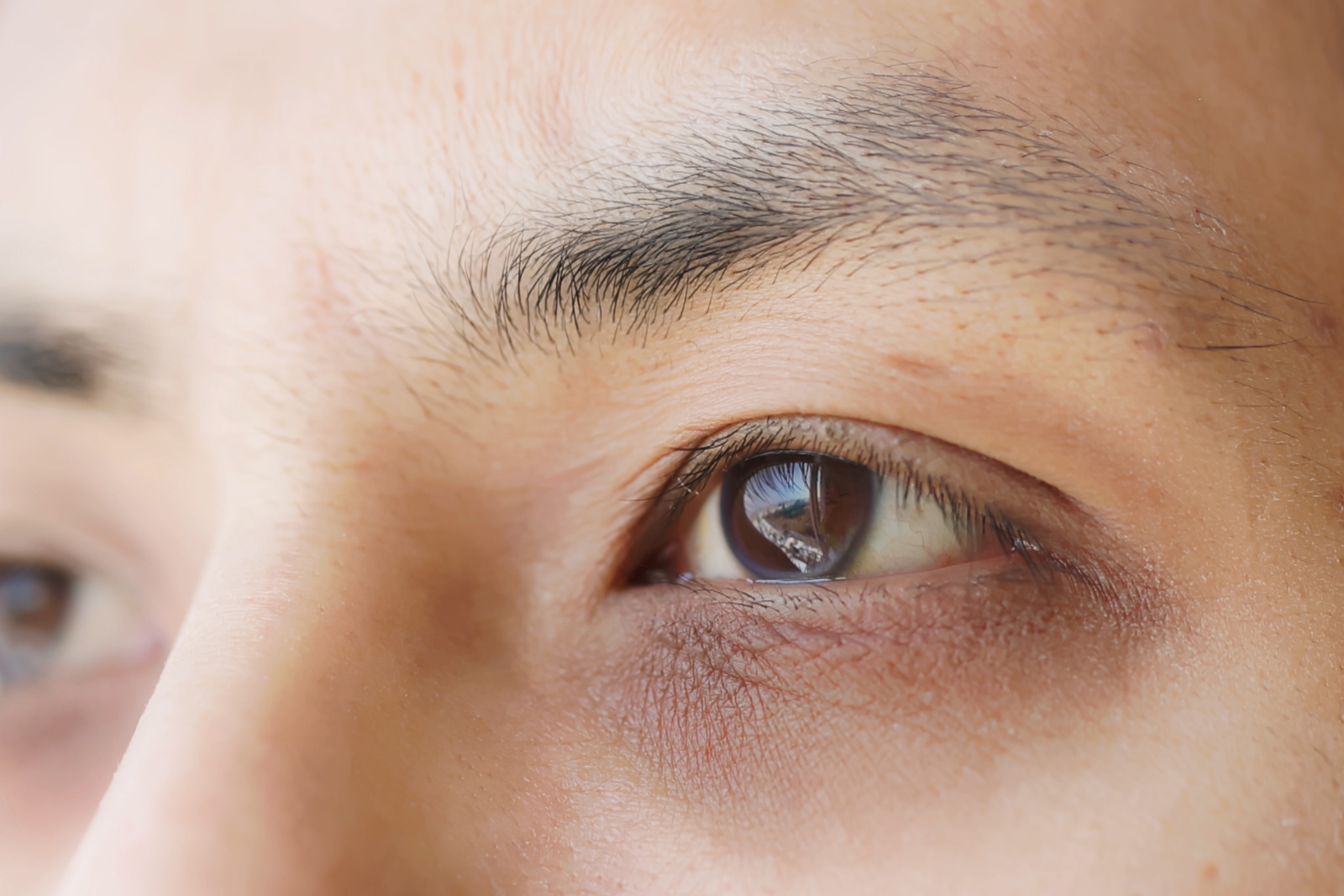
People think dark circles are a young-person tiredness thing. Truth is, aging makes nearly every dark circles cause worse, not better, for three reasons:
If your dark circles are darkening as you age, it is almost always multiple causes compounding, not one in isolation.
The question about what deficiency causes dark circles is one of the most-searched in this category. The answer surprises people. Yes, deficiencies can absolutely make dark circles more visible. But it is rarely the only cause. Usually it is a contributing factor that worsens an underlying type you already have.
The deficiencies most often linked to dark circles:
A blood test can confirm whether one of these is contributing. Correcting the deficiency will not eliminate dark circles entirely if you also have a pigmentation or structural component, but it often produces a noticeable improvement in the vascular component within 2 to 3 months.
Both, yes. They do not cause dark circles in the strict biological sense, but they reliably make existing ones look worse.
The under-eye area dehydrates faster than the rest of the face because the skin is thinner and has fewer sebaceous glands. Dehydrated skin becomes more translucent, which makes underlying blood vessels and pigmentation more visible. A glass of water in the morning genuinely changes how your dark circles look two hours later.
Hours of close-focus screen work strains the small muscles around the eyes, reduces blink rate, and triggers low-grade inflammation. The resulting tissue swelling shadows the under-eye area and amplifies whatever darkness is already there.
Practical fix: the 20-20-20 rule. Every 20 minutes, look 20 feet away for 20 seconds. Pair with proper screen distance and adequate room lighting.
Because most dark circles are a combination of pigment, shadow, and vascular tone. Different lighting hits each one differently. Harsh overhead light makes structural shadows deeper. Fluorescent lighting flattens skin tone and exposes pigmentation. Soft window light minimises both. This is why your dark circles can look fine in the bathroom mirror at home and dramatic in an office washroom an hour later. It is not your imagination; it is the multi-layered nature of dark circles interacting with light.
These three terms get used interchangeably but mean different things:
| Concern | What It Is | What Causes It |
|---|---|---|
| Dark circles | Color difference under the eye | Pigment, vascular visibility, or shadowing |
| Eye bags | Puffy swelling below the lower lid | Fat pad protrusion, fluid retention, or allergy |
| Hollows | Sunken appearance under the eye | Volume loss, deep tear trough |
They often appear together and get worse together with age, but they are treated differently. Dark circles respond to topical actives; eye bags often need lifestyle changes or clinical intervention; hollows usually need filler for dramatic correction.
Honest answer: both. The underlying tendency is often genetic, but the visible expression can be significantly reduced with the right routine. You will not change your bone structure or your inherited melanin density, but you can:
The science behind mushroom bioactives covers how certain actives work at the cellular level to address several mechanisms at once, relevant for combination dark circles, which is what most people actually have.
Once you know which type you have, treatment becomes much clearer.
The treatment that works targets melanin production directly. The Kinoko Labs Under Eye Serum is built around Hydrolyzed Ganoderma Lucidum Mushroom Extract which interrupts melanin production at the cellular level, combined with Lactococcus Ferment Lysate for barrier strengthening, Porphyridium Cruentum (Red Algae) Extract for firming, Sodium Hyaluronate and Saccharide Isomerate for multi-depth hydration, and Foeniculum Vulgare (Fennel), Cucumber Seed Oil, Chamomile, and Panthenol (Pro-Vitamin B5) for soothing the delicate eye area. For pigmentation extending past the under-eye onto the cheekbone, the Anti-Pigmentation Serum addresses the broader periorbital area.
Thickening the under-eye skin makes a real difference. The Under Eye Serum's combination of Porphyridium Cruentum and Lactococcus Ferment supports skin density, which reduces how visible the vascular network is. Daily SPF and good blood flow habits help too.
Topicals soften the appearance through hydration and surface plumping, but dermal filler is the most effective intervention for pronounced hollows. The serum still helps with surface skin quality.
Manage the underlying allergy first, then use the soothing actives in the Under Eye Serum (Chamomile, Cucumber Seed Oil, Panthenol) to calm the inflammatory component. For first-time users, the Discovery Box includes 5ml of all five Kinoko Labs serums. For broader pigmentation diagnostics, the Types of Skin Pigmentation Treatment guide is worth reading alongside.
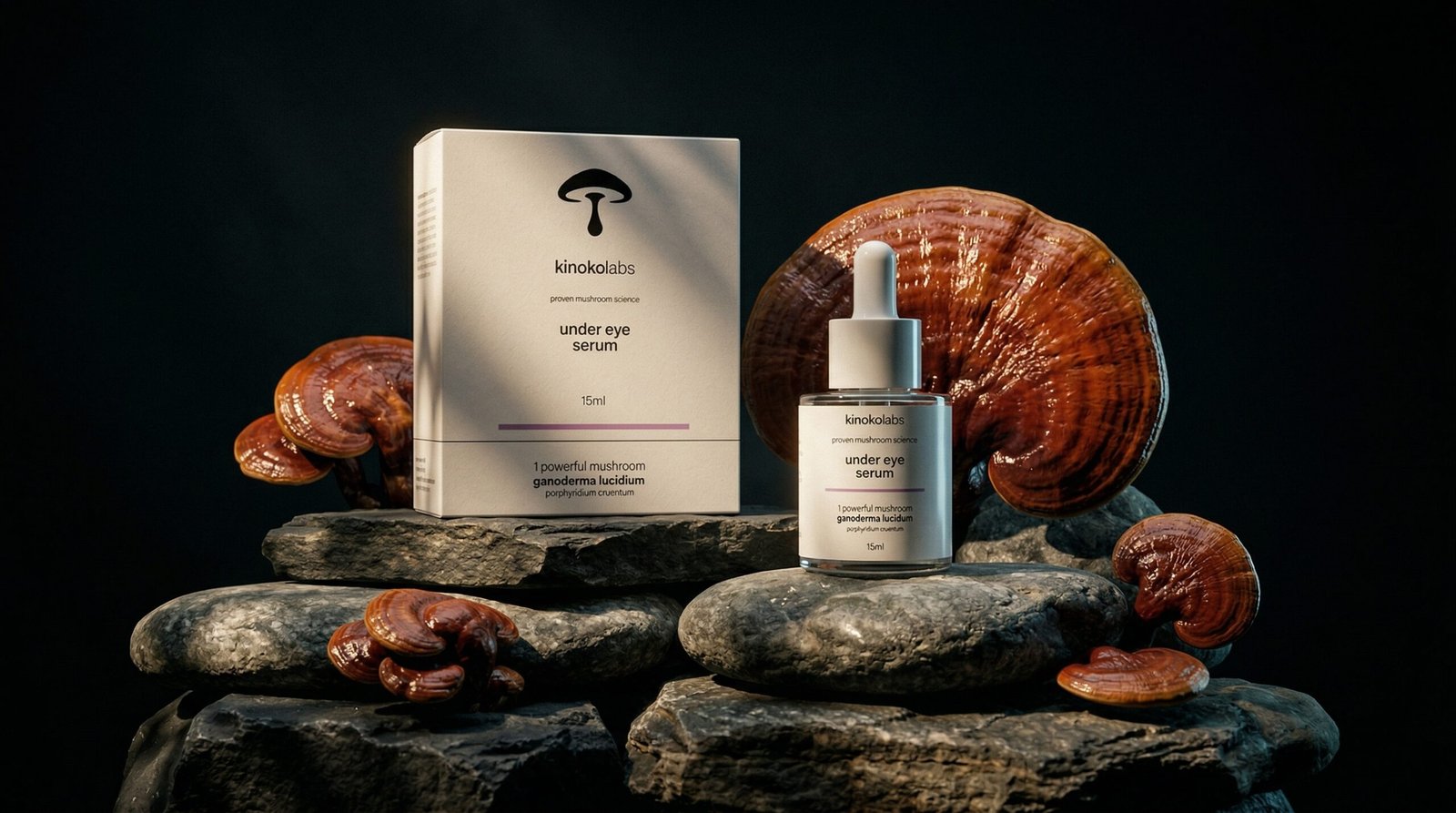
Formulated with Hydrolyzed Ganoderma Lucidum Mushroom Extract, Red Algae, and multi-depth hyaluronic acid to target pigmentation, vascular visibility, and thinning skin simultaneously. Suited for combination dark circles.
This content is for informational purposes and is not medical advice. Individual results vary based on skin type, concern severity, and consistency of use. Consult a qualified dermatologist for personal skin concerns.

