

Quick answer: Dark spots and hyperpigmentation are not the same thing, but they are closely related. Hyperpigmentation is the umbrella term for any darkening of the skin caused by excess melanin. Dark spots are one specific type of hyperpigmentation: small, defined patches that appear on the face from acne, sun damage, or injury. Understanding the difference between dark spots and pigmentation tells you which treatment approach you actually need.
Individual results vary based on skin type, concern severity, and consistency of use.
Short answer: no, but dark spots are a type of hyperpigmentation. Think of it this way: hyperpigmentation is the category, dark spots are one item within it.
Both are caused by excess melanin production. But hyperpigmentation can show up as widespread uneven tone, large hormonal patches, diffuse sun damage, or small concentrated spots: all under the same biological umbrella but looking, behaving, and responding to treatment differently.
This distinction matters because the difference between dark spots and pigmentation determines how long treatment takes, which actives you need, and how deep into the skin the problem actually sits.
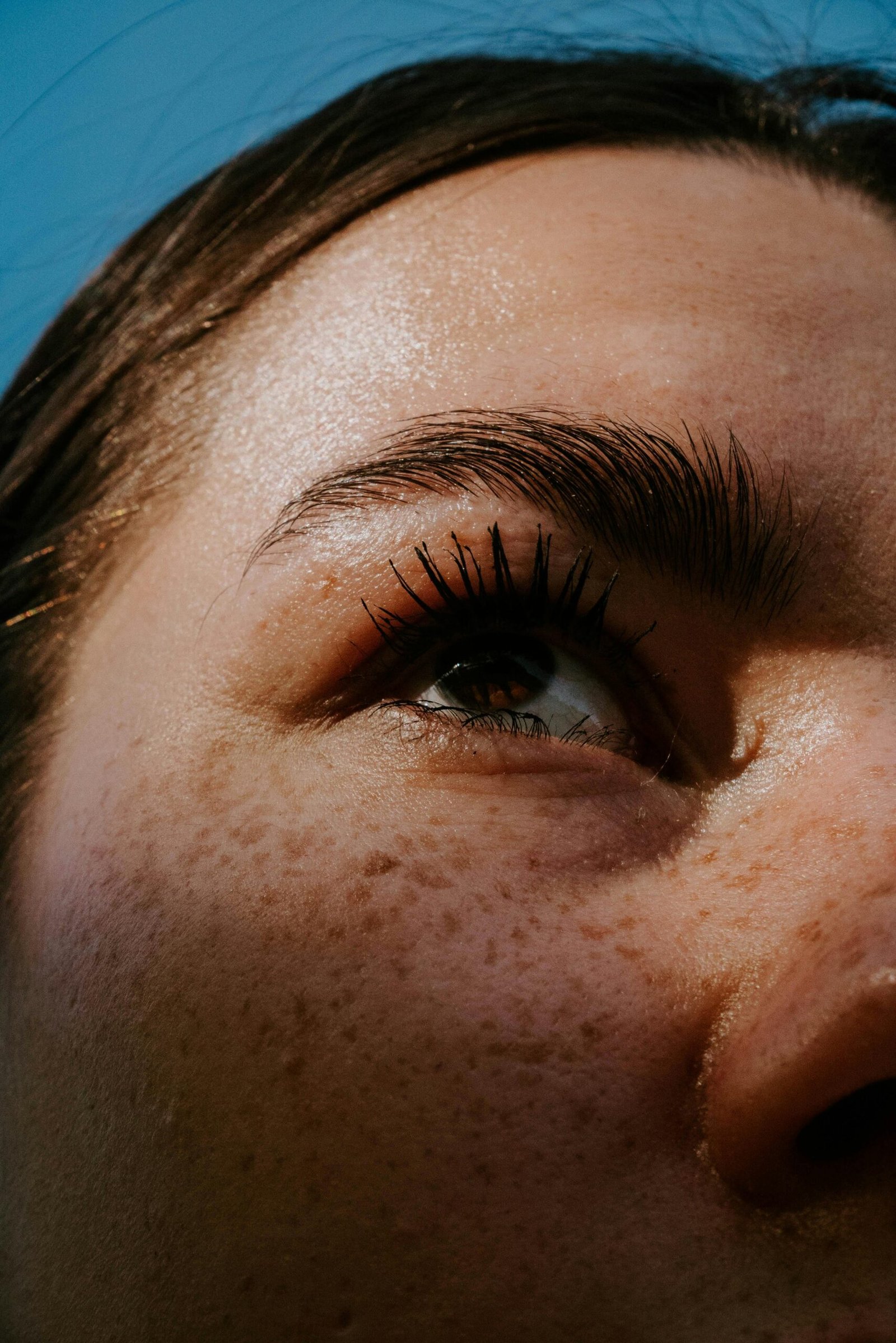
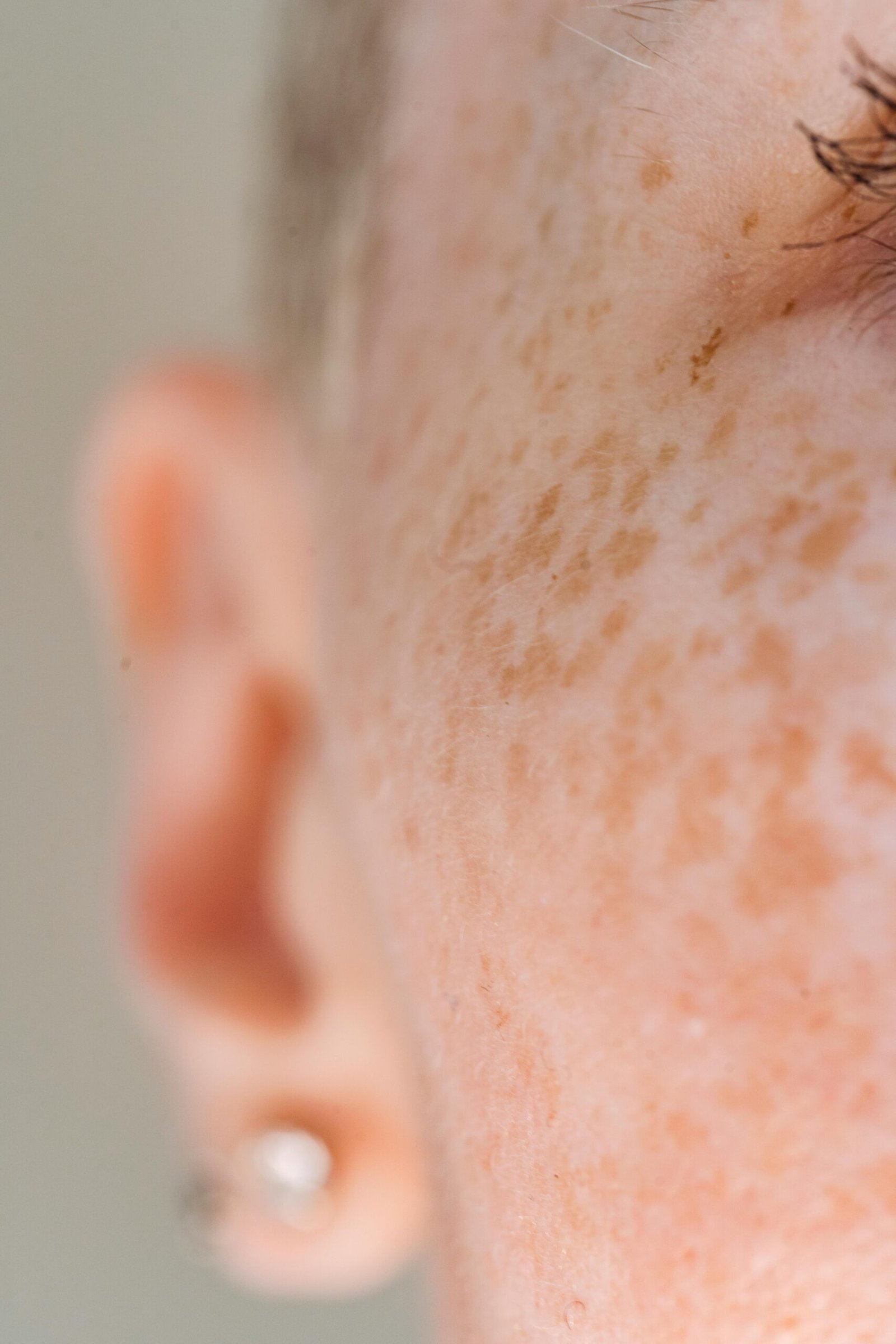
Hyperpigmentation is any area of skin that has darkened due to an increase in melanin: the pigment that determines skin colour. It does not refer to a single condition; it is a symptom that can be caused by several different triggers. Each type behaves differently and needs a specific approach.
Large, symmetrical patches typically on the cheeks, forehead, and upper lip. Usually hormone-driven, triggered by pregnancy, contraceptive pills, or hormonal changes. Melasma is one of the most stubborn types because the hormonal trigger keeps feeding it. Even well-managed melasma often returns after sun exposure.
The marks left behind after skin inflammation: acne breakouts, cuts, insect bites, eczema, aggressive waxing. The skin deposits melanin as a protective response during healing, and that deposit lingers long after the original wound is gone. PIH is extremely common on Indian skin because higher baseline melanin density means a stronger and longer-lasting pigmentation response.
Concentrated patches of pigmentation from years of accumulated UV exposure. They typically appear on high-exposure zones: cheeks, nose bridge, forehead, upper lip. Unlike PIH they do not usually have a single incident behind them; they build up slowly over years.
Genetically determined spots that darken in summer UV and fade in winter. Common in lighter skin types, less so in Indian skin. Not technically a disorder, more of a genetic expression pattern, but they fall under the hyperpigmentation umbrella.
Dark spots (also called sun spots, age spots, or post-acne marks) are small, defined areas of hyperpigmentation with a clear border. Usually flat, round or oval, and distinctly darker than the surrounding skin.
Dark spots are most commonly caused by:
They tend to sit in the upper to mid layers of the skin, which is good news. This depth is where topical actives work most effectively. Deeper pigmentation like some melasma variants is harder to shift with topicals alone.
| Feature | Dark Spots | Broader Hyperpigmentation |
|---|---|---|
| Appearance | Small, defined, clear border | Large patches or diffuse uneven tone |
| Cause | Acne, UV damage, injury | Sun, hormones, inflammation, genetics |
| Pattern | Isolated clusters | Widespread or symmetrical |
| Depth in skin | Upper to mid epidermal | Varies, can be deeper |
| How long to treat | 4 to 8 weeks with consistent serum use | 8 to 16 weeks for melasma, longer for deep damage |
| Responds to topical actives | Well | Partially: melasma may also need clinical support |
| Comes back after treatment | Only if new triggers occur | Often, especially melasma |
The practical takeaway: if your concern is concentrated spots, a targeted serum used consistently over 6 to 8 weeks delivers visible results. If it is broader melasma or diffuse uneven tone, the same serum helps but the timeline is longer and sun protection becomes non-negotiable rather than just helpful.
Indian skin sits in the Fitzpatrick IV to VI range: higher baseline melanin density than lighter skin types. That is protective against UV in some ways, but it also means the melanin response to any trigger (acne, sun, friction, inflammation) is stronger, faster, and longer-lasting.
Common triggers for dark spots and pigmentation on Indian skin:
A few questions help make the distinction clear:
For a broader framework across all pigmentation types, the Types of Skin Pigmentation Treatment guide covers each type and its correct treatment path.
Yes, and this is where it gets practical. The biology driving both is the same: excess melanin production followed by visible surface accumulation. The right serum targets both through the same mechanisms: tyrosinase inhibition, melanin transfer reduction, and gentle enzymatic exfoliation. The difference is mainly in how long treatment takes.
The Kinoko Labs Anti-Pigmentation Serum works across the full spectrum of dark spots and hyperpigmentation.
A precision enzymatic exfoliant that dissolves pigmented dead surface cells without disrupting the barrier.
Regulates melanin at the cellular level while calming inflammation.
A plant-derived tyrosinase inhibitor working alongside Ganoderma for two-stage melanin blocking.
Reduces melanin transfer from melanocytes to surface skin cells; also strengthens the barrier and regulates sebum.
An additional tyrosinase inhibitor particularly effective on Indian skin.
Classic Indian brightening botanical with antioxidant and anti-inflammatory activity.
Antioxidant support against UV-driven pigmentation.
Traditional skin brightening botanical with time-tested efficacy.
What makes this formula work across both dark spots and broader hyperpigmentation is that it does not rely on a single active: it interrupts melanin at multiple stages simultaneously. Learn more about the science behind mushroom bioactives.
Clinical testing showed an 8.3% reduction in dark spots at 28 days with consistent twice-daily use. Based on Kinoko Labs' internal clinical testing. Individual results vary.
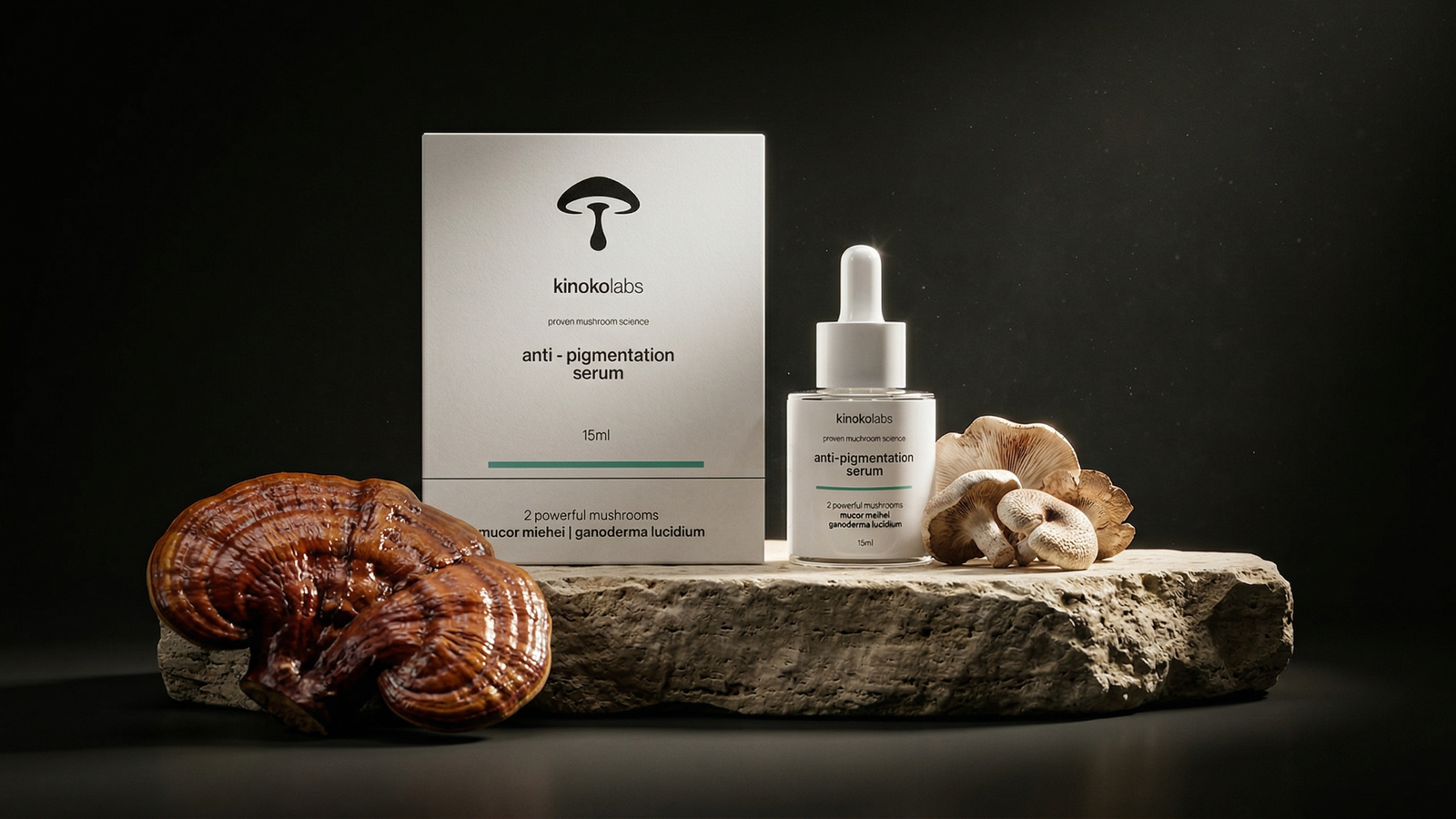
Multi-active formula targeting dark spots and hyperpigmentation at every stage of melanin production. Formulated for Indian skin. Suitable for all types of hyperpigmentation.
For hyperpigmentation dark spots on face, the practical treatment hierarchy looks like this:
This is probably the most common frustration: people start treatment, do not see results in two weeks, and quit.
The skin's natural cellular turnover cycle is approximately 28 days. Pigmentation that took months or years to accumulate does not clear in a fortnight. Realistic timelines:
The pattern that works: consistent twice-daily serum + daily SPF + 12 weeks minimum commitment. Skipping SPF while using a pigmentation serum is like filling a bucket with a hole in it: the UV undoes the correction daily.
This content is for informational purposes and is not medical advice. Individual results vary based on skin type, concern severity, and consistency of use. Consult a qualified dermatologist for personal skin concerns.

