

To get rid of tan from your face, use a melanin-regulating serum with mushroom bioactives and Niacinamide twice daily, combined with broad-spectrum SPF 30+ every morning. Expect visible lightening in 3 to 6 weeks for fresh tan, and 8 to 12 weeks for deeply settled pigmentation. Surface brightening products mask tan -- they don't correct it.
Figuring out how to get rid of tan from face effectively starts with understanding why it forms so aggressively on Indian skin in the first place. Three biological factors are at play:
Indian skin tones sit in the Fitzpatrick IV-VI range, melanin production by default is higher and responds more aggressively to UV than lighter skin types. A short walk in the Indian sun can deposit more visible tan than the same exposure on European skin.
Tan is rarely a single layer. Immediate tan appears within hours from UVA-triggered melanin oxidation. Delayed tan forms over 48 to 72 hours from new UVB-triggered melanin. Settled tan accumulates over weeks and each depth clears on its own timeline.
Tropical humidity slows skin cell turnover, keeps pigmented cells at the surface longer, and allows tan to deepen week-on-week. Sweat and heat rash also trigger additional melanin, which is why tan often looks uneven and patchy.
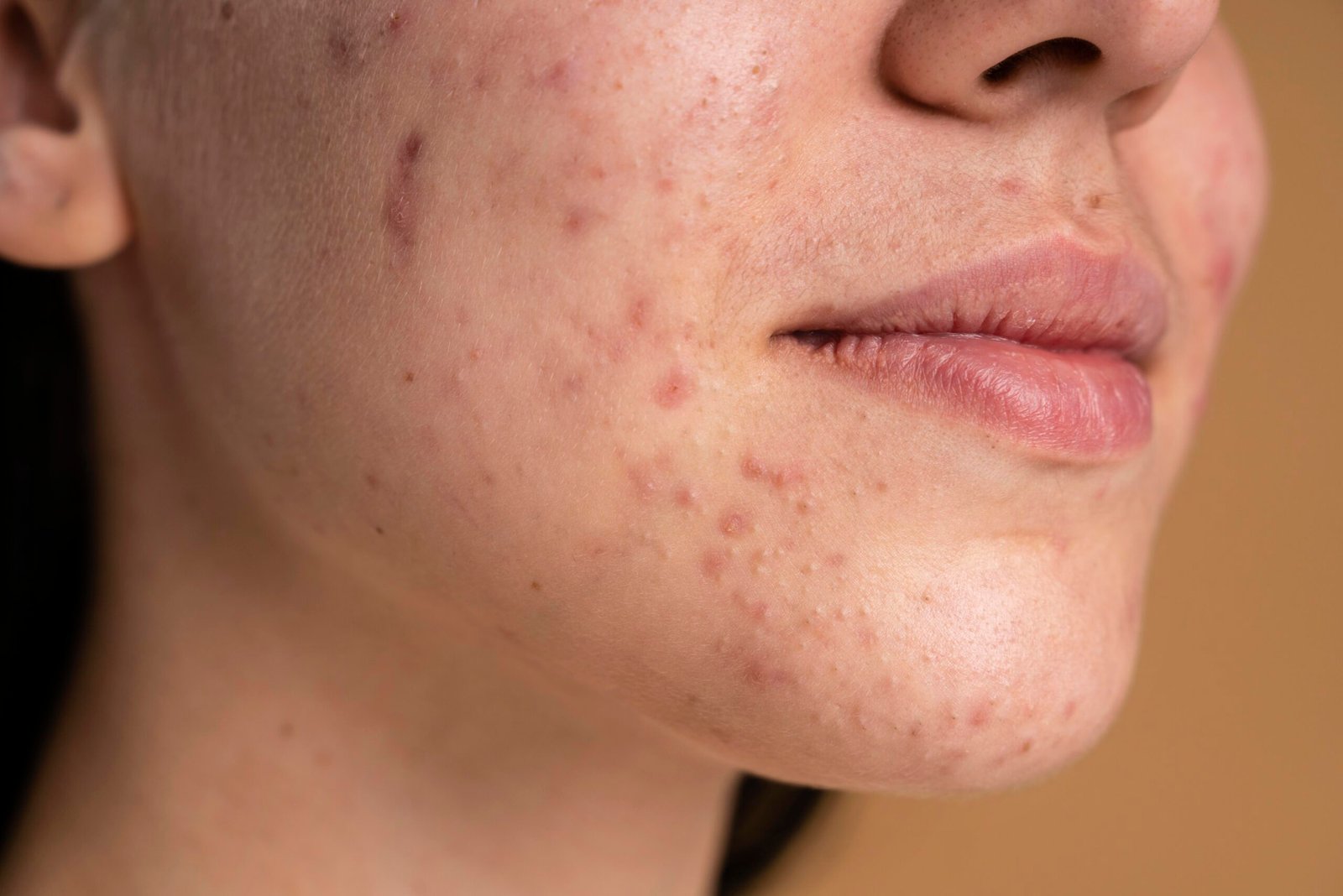
Distinguishing recent tan from settled hyperpigmentation determines whether you'll see improvement in weeks or months.

| Feature | Fresh Sun Tan | Settled Hyperpigmentation |
|---|---|---|
| Time since UV exposure | Days to weeks | Months to years |
| Pattern | Uniform across exposed zones | Patchy, cluster-shaped |
| Clears with 2 weeks indoors | Partially | Barely |
| Corresponds to tan lines | Yes, clear demarcation | No |
| Depth in skin | Epidermal, upper dermal | Mid to deeper dermal |
| Time to visible improvement | 3 to 6 weeks | 8 to 16 weeks |
| Responds to daily SPF alone | Significantly | Minimally |
If your darkening matches the fresh tan column, consistent SPF plus a targeted serum shows results within weeks. If it matches the settled column, the same serum works but needs a longer treatment window.
Tan is chemically identical to the pigment driving dark spots and melasma, all three are melanin deposits at slightly different depths. An effective anti-tan routine needs three mechanisms working together:
Stopping the enzyme that produces new melanin at the source
Preventing pigment from reaching visible surface cells
Clearing tanned surface cells without triggering fresh inflammation
Skin-whitening creams with hydroquinone or mercury derivatives lighten quickly but damage the barrier and often cause rebound hyperpigmentation, the opposite of what sustainable tan removal needs.
Tan removal home remedies are among the most searched skincare topics in India and among the most inconsistent in what they deliver.
A lightweight gel-cream built for the melanin density and inflammatory triggers characteristic of South Asian skin. Targets tan, sun damage, dark spots, and uneven tone through four coordinated actives.
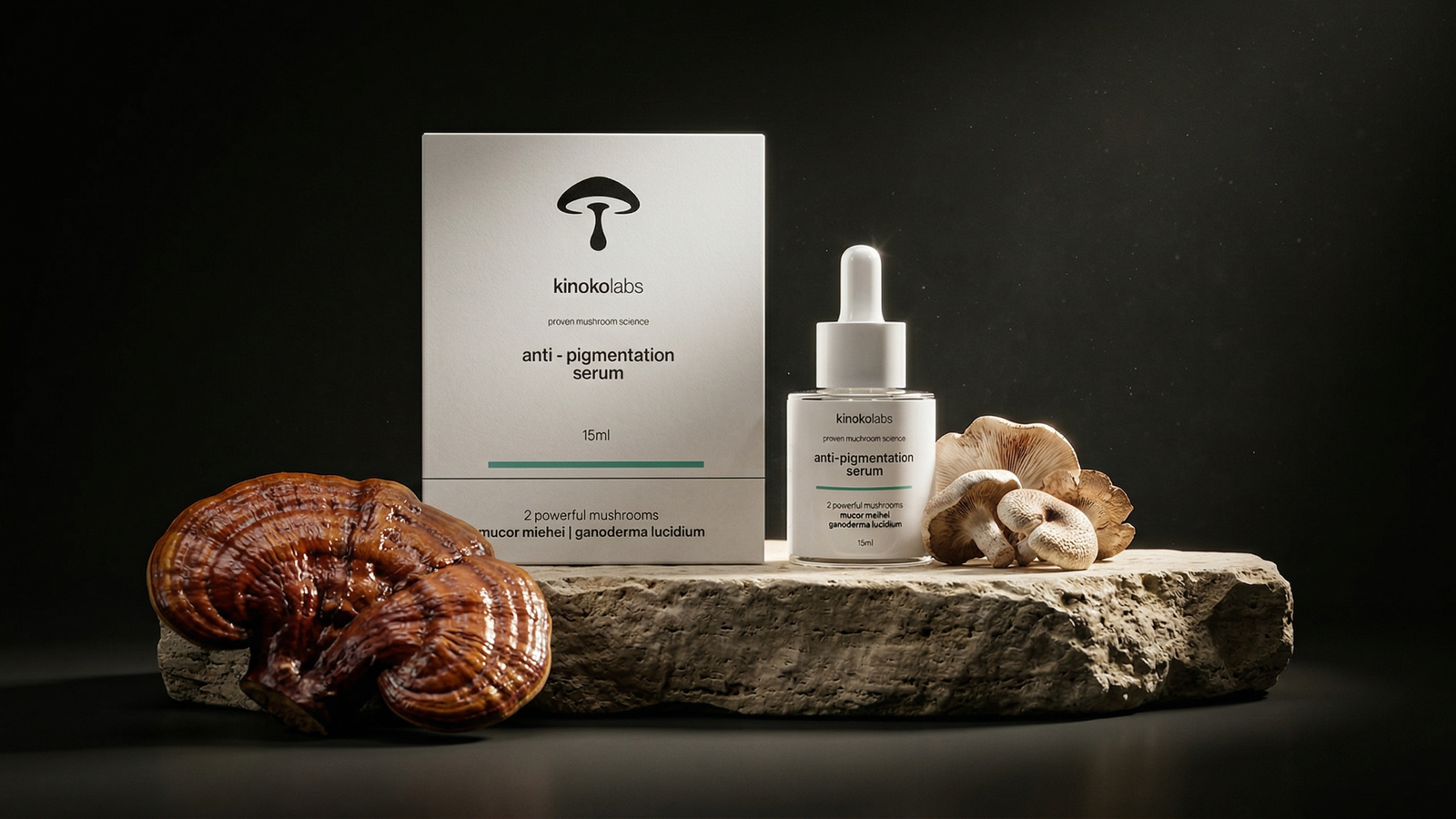
Dissolves pigmented dead surface cells without damaging the barrier, removing tanned cells progressively without the irritation that stronger AHAs cause on sun-stressed skin.
Regulates melanin overproduction at the cellular level while calming the low-grade inflammation that tropical sun exposure leaves behind. Supports cellular renewal without the peeling or photosensitivity associated with retinol-class actives. Learn about mushroom science
Inhibits tyrosinase, the enzyme that activates melanin production in response to UV. Slows new tan formation even during daily sun exposure, working preventively while existing tan fades.
Reduces melanin transfer from melanocytes to keratinocytes (where it becomes visible). Visibly lightens existing tan faster than melanin inhibition alone.
The neck and upper chest tan more aggressively than the face because they receive comparable UV exposure with almost no SPF in most routines. People apply sunscreen to the face but stop at the jawline, leaving the neck the most consistently under-protected sun-exposed zone.
Anti-Pigmentation Serum targets four-active melanin regulation across cheekbones, forehead, and nose bridge
Neck Firming Serum mushroom-based pigmentation support to thinner, oil-gland-sparse skin
Under Eye Serum targets sun-darkened periorbital skin that doesn't respond well to facial-strength actives
The Non-Negotiable SPF Rule: Daily broad-spectrum SPF from the hairline to the collarbone, not stopping at the jaw. Without it, the neck continues accumulating fresh tan weekly while the face clears, and the tone gap between zones actually widens.
UVA penetrates cloud cover and window glass, indoor exposure near windows still deposits tan.
Hot showers disrupt an already-compromised barrier and prolong the inflammation that locks tan in.
Scrubs trigger fresh melanin through the same inflammatory pathway that caused the tan.
Tan clears in layers, surface first, then settled. Stopping early means deeper layers resurface.
These zones get the same UV dose as the face but are chronically under-protected.
Jumping between formulas prevents any single active from reaching therapeutic skin saturation. Stay consistent for at least 28 days.
Apply twice daily, morning and night, for a minimum of 28 days before assessing visible change. Melanin regulation runs on a roughly four-week cellular turnover cycle on Indian skin.
Low-pH face wash, rinse with lukewarm water, pat completely dry
2 to 3 drops pressed across the full face, extra attention on cheekbones, forehead, and nose bridge
Allow serum to absorb fully before layering
Apply a lightweight moisturizer
From hairline to below the jawline, SPF is functionally part of tan correction, not optional
Remove sunscreen, pollution, and sweat thoroughly
Damp skin can dilute active ingredients
2 to 3 drops across the full face
Before layering any targeted serums, under-eye or neck
Finish with a lightweight night moisturizer to seal in actives
| Concern | Suggested Formula |
|---|---|
| Fresh facial tan, sun spots, uneven tone | Anti-Pigmentation Serum (primary) |
| Tan-induced fine lines and firmness loss | Anti-Wrinkle Serum |
| Under-eye tan and periorbital darkening | Under Eye Serum |
| Neck sagging and tightening | Neck Firming Serum |
| Sun-darkened lip border and perioral pigmentation | Lip Plumping Serum |
The Discovery Box includes 5ml of all five Kinoko Labs serums, a practical way to trial the Anti-Pigmentation and companion formulas over 3 to 4 weeks before committing to full sizes.
Shop Discovery BoxReal tan removal takes time. No topical product safely lightens skin beyond what cellular turnover permits (roughly 28 days). Consistent twice-daily serum use with daily SPF shows visible lightening in 3 to 6 weeks for fresh tan, extending to 8 to 12 weeks for deeply settled pigmentation.
Genuine tan removal in seven days is not biologically possible. Products promising this usually deliver surface cosmetic brightening from hydration or mild acid exfoliation that reverses once use stops. Expect real visible change at the 3 to 4 week mark.
Most common home remedies (lemon juice, turmeric, coffee scrubs, toothpaste) are too acidic, abrasive, or inflammatory for sensitive skin and often cause rebound pigmentation darker than the original tan. Stick to hydration, SPF, and a gentle enzymatic serum.
Yes, the formula is designed for high-UV seasons. Pea Peptide inhibits new tan formation through tyrosinase blocking, while Rhizomucor miehei and Ganoderma Lucidum clear existing tan. Daily SPF remains essential alongside it.
New tan forms with any UV exposure, that's the skin's natural protective response. Stopping the serum doesn't bring the old tan back, but without ongoing melanin regulation and SPF, new tan accumulates faster.
Yes, but with a longer window. Cumulative multi-month tan needs 8 to 16 weeks of consistent use. Pairing with strict daily SPF and the Anti-Wrinkle Serum for surrounding skin support can accelerate visible progress.
Yes. Apply the serum first, wait 60 seconds, apply moisturizer, then broad-spectrum SPF 30+ as the final step. This lets melanin-regulating actives absorb before SPF forms its UV layer on top.
The formula avoids retinol, synthetic hydroquinone, and AHAs, ingredients typically flagged for pregnancy caution. Mushroom bioactives and Niacinamide are generally well tolerated, but always consult your healthcare provider before introducing new skincare during pregnancy.

